Small Houses, Big Families

Though she didn’t know it at the time, Alzada’s adolescence prepared her for her future role as the mother of a big family in a small house.

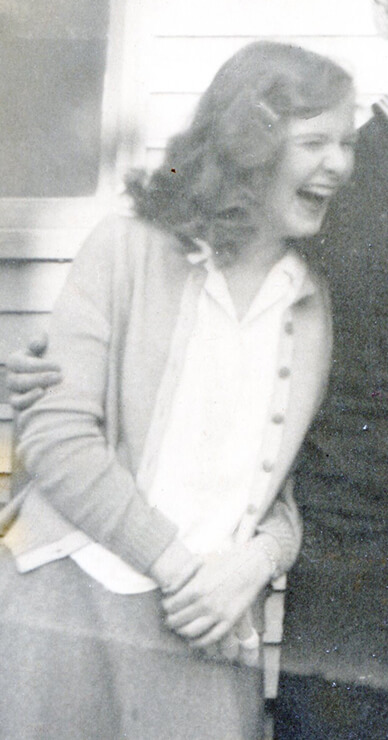
When Alzada was growing up there were only two beds in their small Fall River home at 733 New Boston Road – one bed her older brothers shared, and the other she shared with her parents.

Alzada’s father Louis passed away in 1944 when Alzada was 17, and soon after, Alzada’s brother Frank married her best friend Betty and moved back into the Weaver family home, where they had two daughters, Susan Irene and Cynthia Ann, by the end of 1950. Alzada’s brother Joe also moved in with his wife Johanna and their little daughter Joan in the late 1940s, and their son Robert was born while they lived there.

This was not a big house, so the living room was converted into a bedroom for Frank and Betty; Joe and Johanna took one of the bedrooms; and Alzada, who never slept alone, continued sharing the other bedroom with her mother Susan. Joe and his family lived there until Frank officially bought the Weaver home in the early 1950s.

Three days before their wedding in February 1950, Alzada and Irving rented an apartment on the third floor of a house on Durfee Street. There were times early in their marriage when they would put two weeks’ rent down on an apartment with no idea where they’d get the next two weeks’ rent, but Alzada and Irving never felt deprived because there was so much joy in their house from the beginning, so much activity and laughter.

Alzada was pregnant and quickly grew tired of climbing three flights of stairs, so they moved in with Irving’s parents, where their very first child, Steven Thomas Cross, was born in October 1950.

Irving, an electrician by trade, had to go where the work was, so their small but growing family moved around a lot in the beginning. He was on a job in Connecticut when their second child – me – Deborah Ann Cross – was born in January of 1952. We moved in with Alzada’s mother, Susan, our Nana, while Irving found us a place to live in Connecticut, and almost as soon as the job ended and we’d moved back to Fall River, Irving found his next job – in New Jersey.

“And I moved to New Jersey with the two babies!” Alzada said. “I felt like, where he goes, I go. Wherever his work takes him, then that’s where I’ll be.”

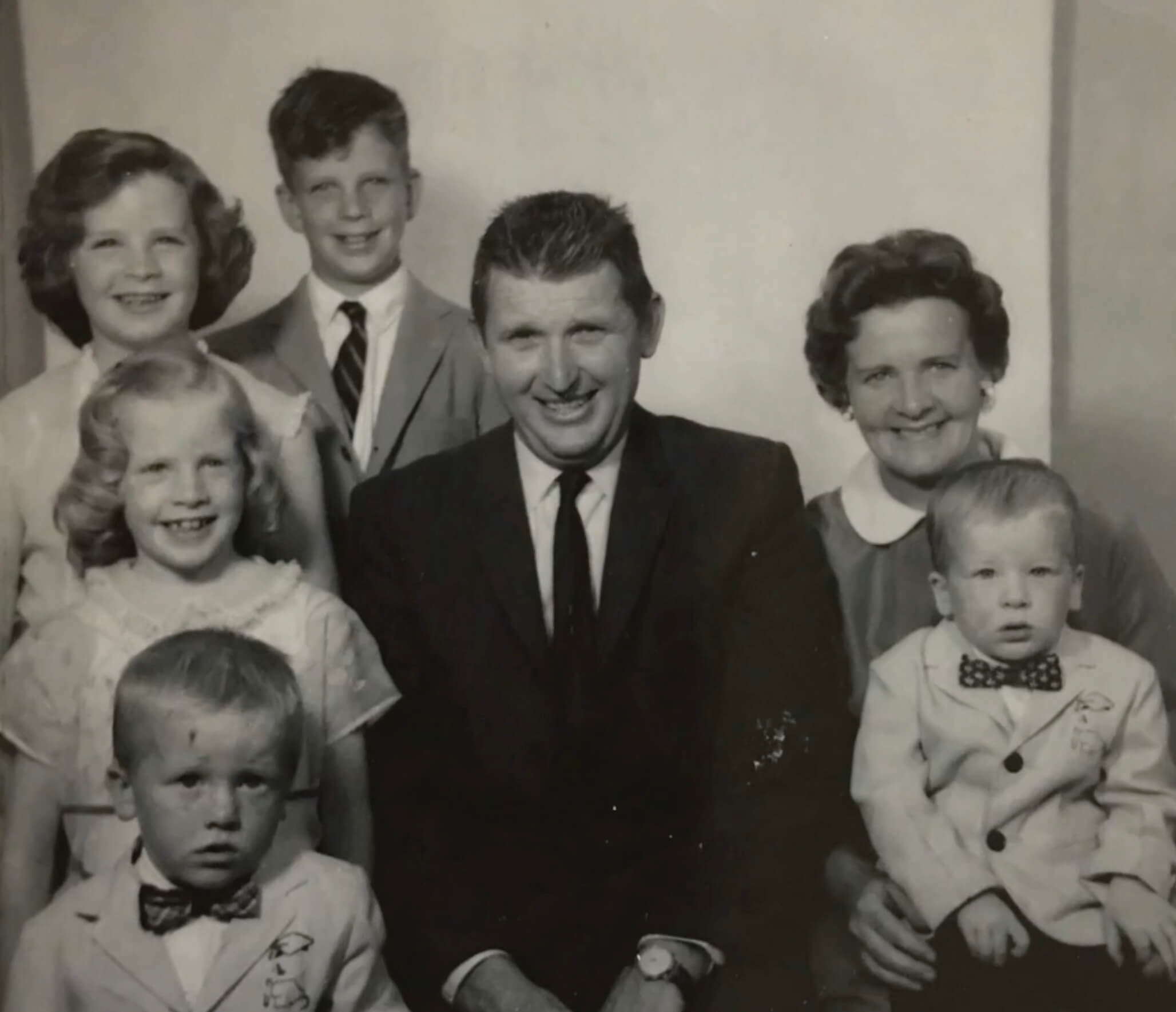
Alzada and Irving’s third child, Pamela Jean Cross, was born in July 1954, and their fourth, David Alan Cross, in October 1958.

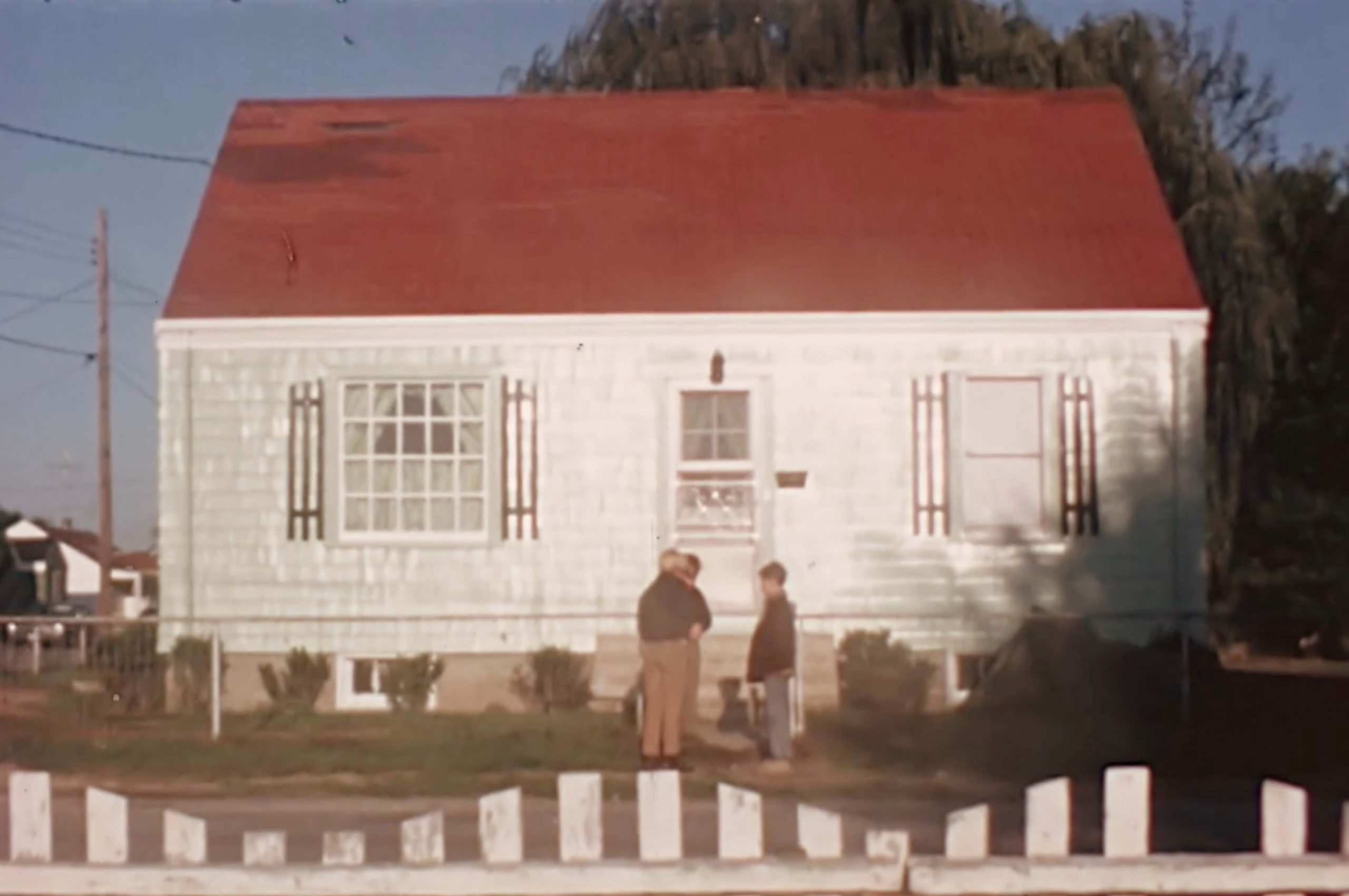
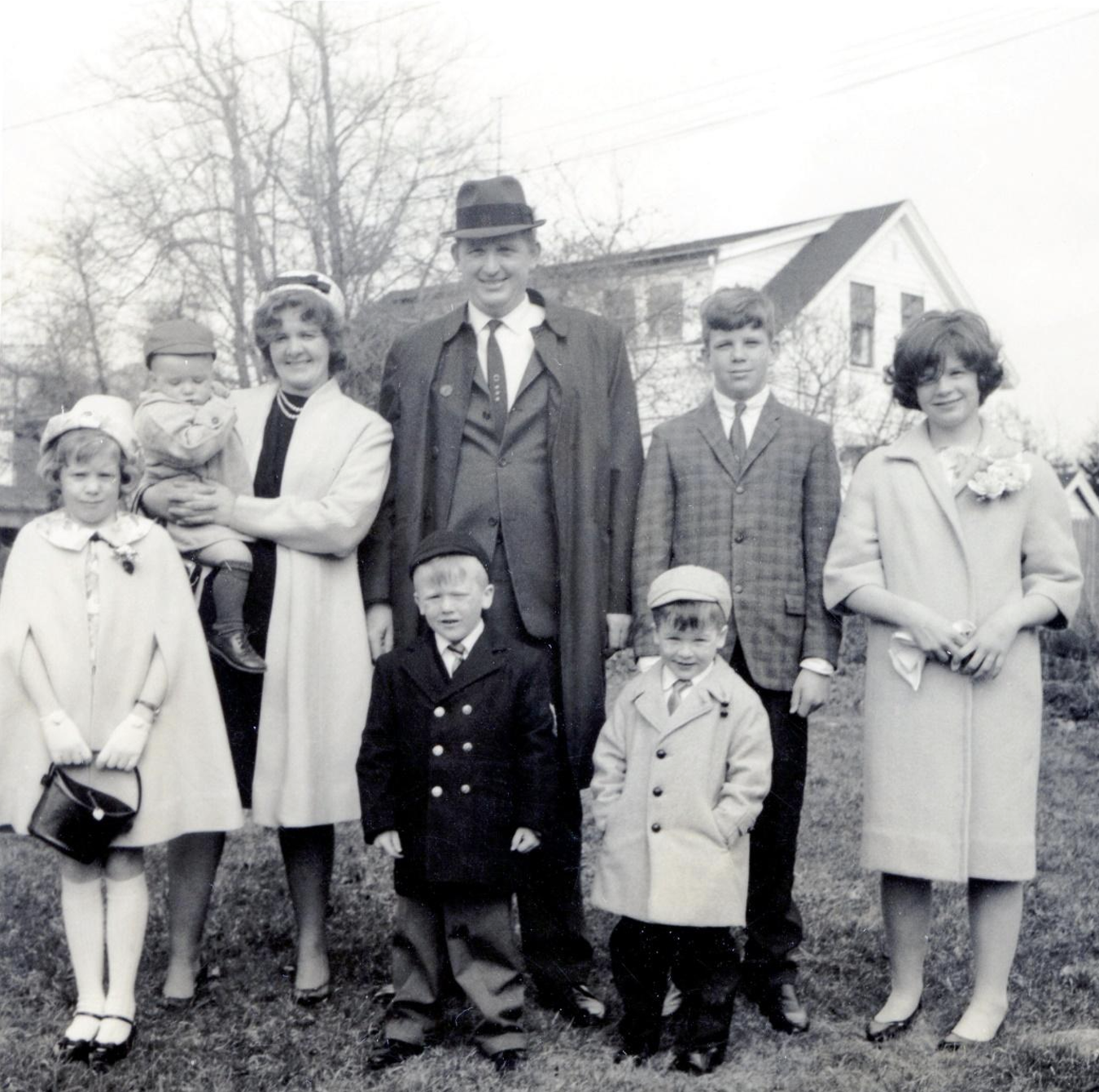
When David was one, Irving and Alzada purchased what would become the Cross Family “forever home” on Little Neck Island in Swansea, Massachusetts. Their fifth child, Brian Jay Cross, arrived in 1960, followed by their sixth and last child, Dana Bradford Cross, in October 1962.

“We had six kids and only one bathroom! I never pushed Irving that we needed a bigger house. We stayed in the house that we could afford,” Alzada said. “It’s a small house, but to us, it didn’t feel small.”

Alzada still lives in the Cross Family home.
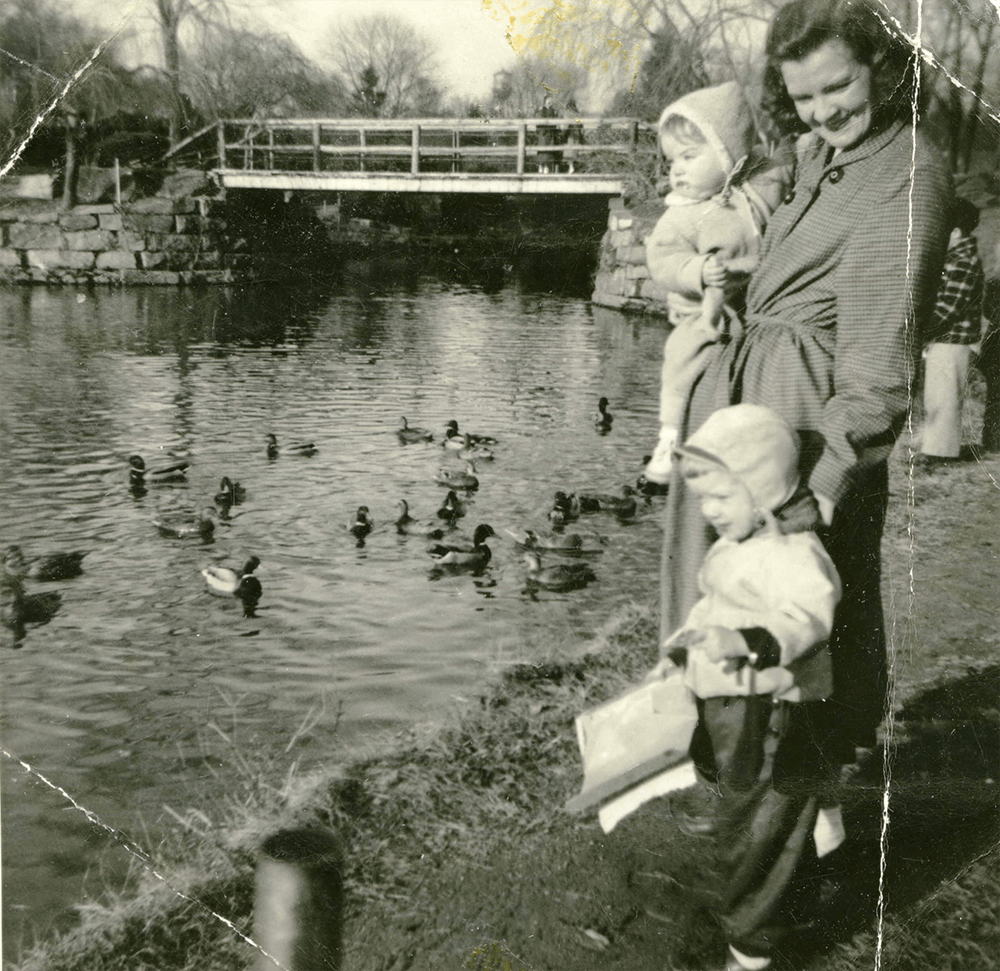
Alzada + Irving

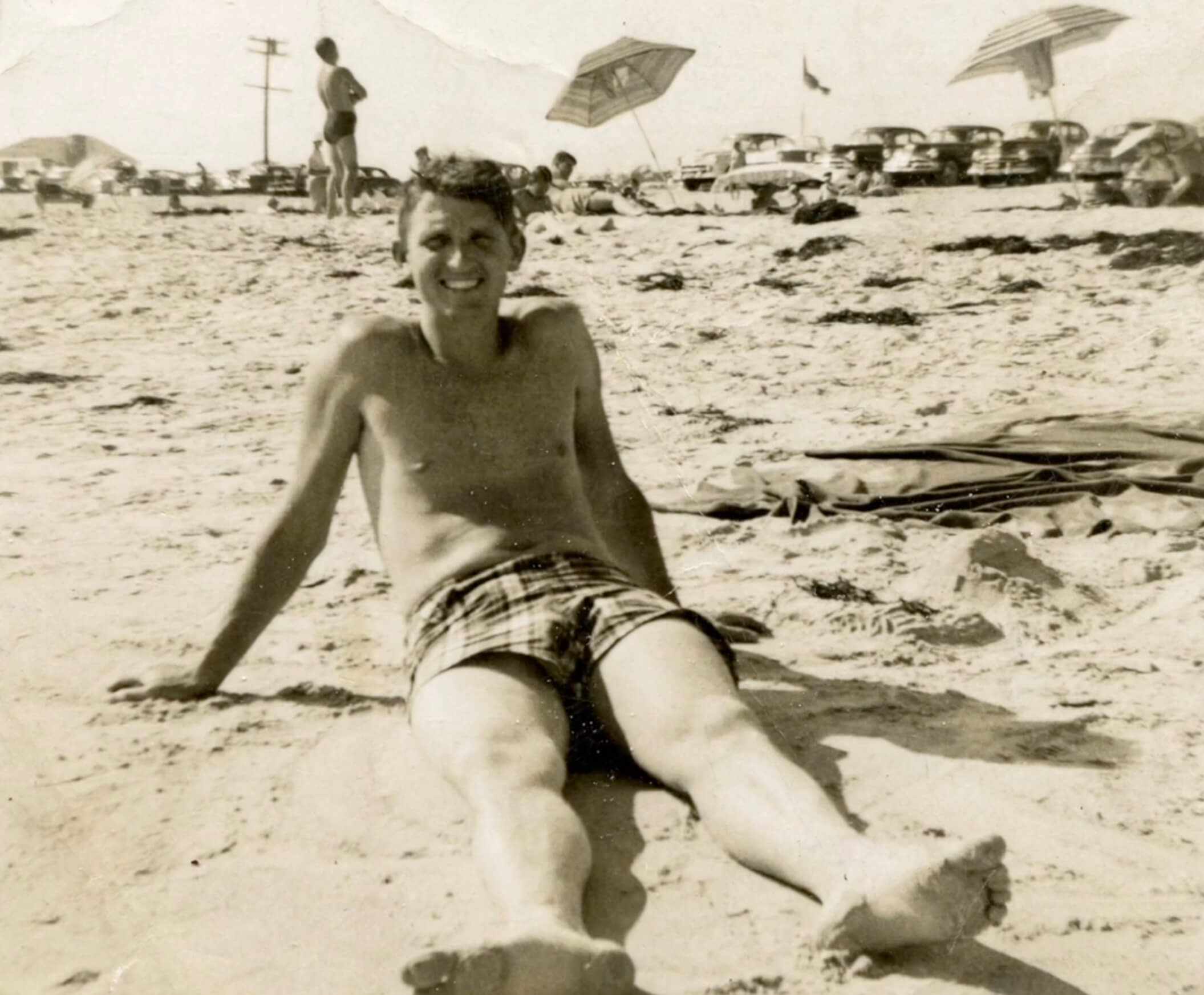
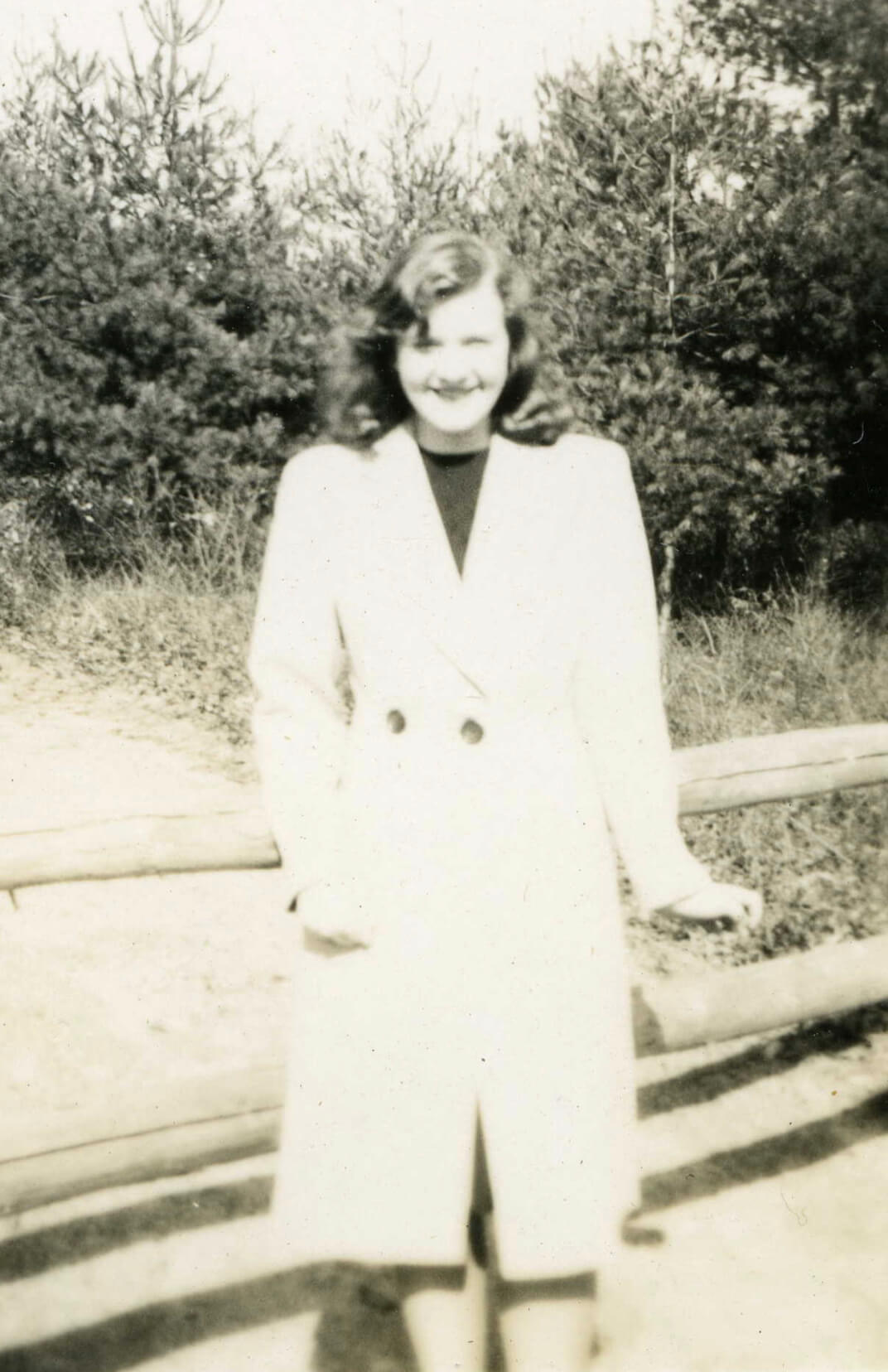
Alzada and Irving were attracted to each other at first sight.

It was 1949 and Alzada, age 23, was working the soda fountain at the corner drugstore in Fall River. From behind the counter, she could watch everyone who came into the store, and one day, a very attractive young man caught her eye.

He was tall, slim, and elegant-looking, and Alzada noticed right away that he had an appealing kind of hip action while playing pinball with his friends. Pinball gave him an appetite, and the pretty girl behind the counter – a classic beauty with an easy smile – was even sweeter than the sodas she served.

Alzada, instantly smitten, always gave him a little extra ice cream each time he came in, embellishing the recipe, concocting extra-special sodas just for him – pretending not to hear when he bragged to his friends that the fountain girl gave him drinks for free. (Alzada was paying for his ice cream sodas!)

The handsome fella with the sweet tooth and swiveling hips was one Irving Cecil Cross, and he had a lot going for him: he was the youngest licensed electrician in town at age 22, and doing well by the looks of his brand new bright yellow 1949 Jeep Roadster.

Boy, is that something, Alzada said to herself.

But there was something more than just his good looks, sharp wit, and magnetic personality, and Alzada recognized it very early in their blossoming relationship; it was the essence of Irving’s generous and genuine spirit. If a friend needed money, Irving would lend it to him. He would even let friends borrow his precious car.

Irving picked up Alzada in his newly shined canary colored Jeepster for their first date. He wore a stylish, well-made suit and showcased his impeccable manners at the fancy restaurant he took her to. Their first date became the happiest day of both their lives at that point, with happier days yet to come.

She soon found out that the snappy suit was rented, and the Jeepster was repossessed soon after that, so Irving had to settle for a broken-down Ford truck and ten-cent beers when planning their dates. Expensive restaurants were no longer within their reach, but they never had been!

And none of that mattered. Alzada had fallen in love with a man who valued people more than possessions. She was always proud to be seen with Irving. He was the man she had always imagined falling in love with and she was the girl he’d always been looking for. They were made for each other.

It’s an enduring love story that gave rise to more love through their children, grandchildren, and great-grandchildren, and will continue through the generations yet to come.

Irving truly swept Alzada off her feet, and she never landed back on earth.

And they really, truly lived happily ever after.

Conflagration

My mother Alzada’s earliest and most vivid memory goes back to when she was just 18 months old.

On the record-freezing night of February 2, 1928, she huddled in her mother Susan’s arms in their Durfee Street home, gagging on thick smoke, crying in terror, as the Great Fire of Fall River ravaged the city.

The fire began in the Pocasset Mills and rapidly roared into a widespread inferno. Toxic fumes blanketed the city, and howling winds hampered all efforts.

In just eight hours the conflagration demolished five city blocks, leveled 36 buildings, and most of its businesses, including its five banks, three theatres, three hotels, two newspaper plants, the Post office, and twelve office buildings – all this at a time when the economy was already struggling. 

“I could feel my mother trembling,” Alzada said, recalling how she clung to her mother, while her older brothers, William (age 5) and Frank (age 10) stood close, fearful as they watched the disaster blazing around them.

What a traumatizing moment that must have been for a toddler, to palpably feel the terror of her mother as her whole world was engulfed in smoke and flames. I wonder if this early trauma in part influenced my mother’s intuitively protective nature.

Throughout our lives, all six of us Cross children have always had an inner knowing that we were protected from harm, and I will always be grateful for the safety and comfort she surrounded us with.